
Top 21 Questions People Are Searching About Social Media
1. What is social media?
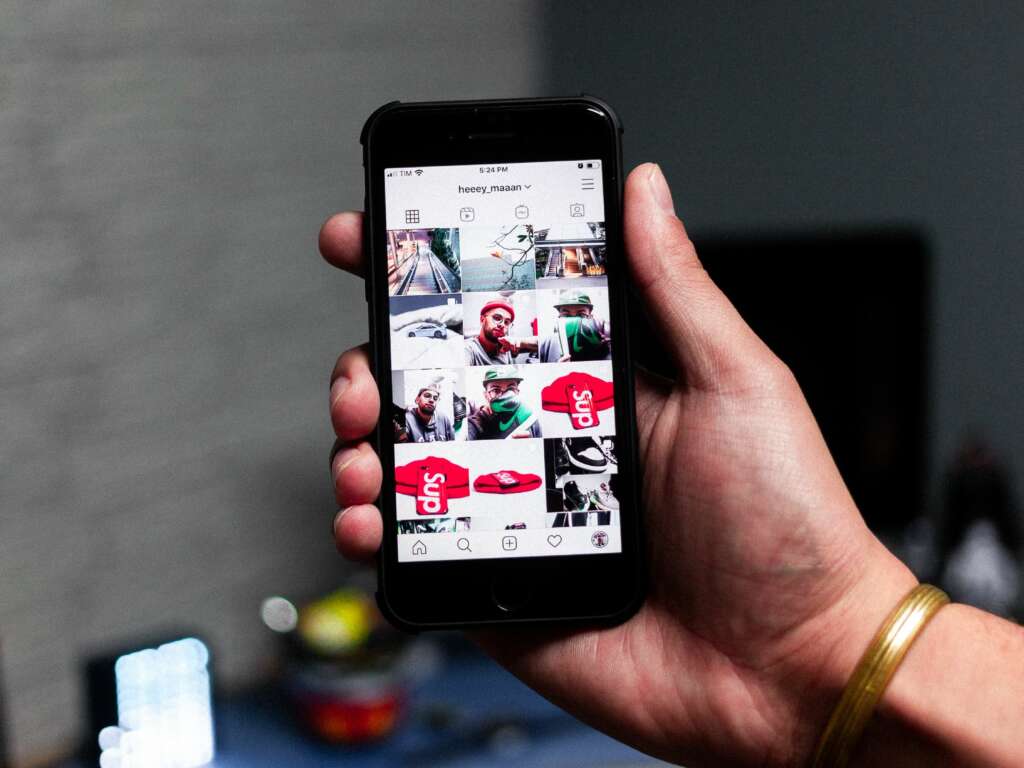
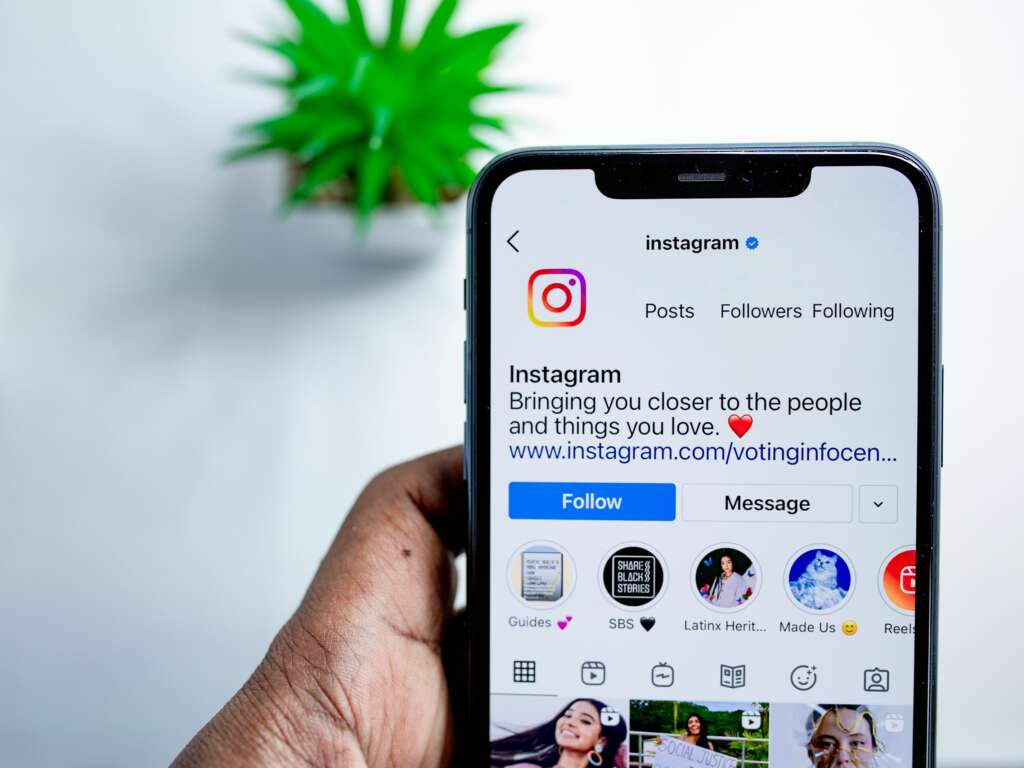
Social media</ refers to platforms that enable users to create, share, and interact with content online. Major platforms include Facebook, Twitter, Instagram, and LinkedIn. These platforms facilitate communication and foster online communities, making them essential for both personal and business interactions.
2. How has social media impacted communication?
The rise of social media has revolutionized communication. It allows for real-time updates, global connectivity, and the sharing of diverse perspectives. According to a study from Pew Research Center, social media has significantly changed how people consume news and interact with brands, shifting engagement from traditional media to digital platforms.
3. What are the benefits of using social media for businesses?
Social media offers numerous benefits for businesses, including:
- Enhanced Brand Awareness: Platforms like Facebook and Instagram can help increase visibility.
- Cost-Effective Marketing: Advertising on social media can be more affordable compared to traditional media.
- Customer Engagement: Businesses can directly interact with their audience, leading to improved customer loyalty.
For more insights, check out Hootsuite’s guide on social media marketing.
4. How do algorithms work on social media platforms?
Social media algorithms determine the content users see based on various factors, including engagement, relevance, and user preferences. For instance, Facebook’s algorithm prioritizes posts from friends and groups, while Instagram focuses on engagement metrics. Understanding these algorithms is crucial for optimizing content visibility.
5. What are the trends in social media for 2023?
As of 2023, key trends include:
- Short-Form Video Content: Platforms like TikTok continue to rise, leading to an increase in video marketing.
- Sustainable Practices: Brands are increasingly focusing on environmental responsibility.
- Augmented Reality: More brands are adopting AR for interactive marketing campaigns.
Stay updated with the latest trends by visiting Social Media Examiner.
6. How can I increase my followers on social media?
Increasing followers can be achieved through various strategies:
- Consistent Posting: Regular updates keep your audience engaged.
- Quality Content: High-quality visual and written content attracts more followers.
- Engagement: Responding to comments and messages fosters community and encourages sharing.
For a deeper dive into follower growth strategies, check out Buffer’s resources.
7. What are the best times to post on social media?
The optimal posting time can vary based on platform and audience. Generally, studies suggest that weekdays from 10 AM to 3 PM yield the highest engagement. You can find specific insights based on your target audience’s behavior through analytical tools provided by platforms like Twitter Analytics and Facebook Insights.
8. How do I measure social media success?
Measuring success on social media involves tracking key metrics such as:
- Engagement Rate: Likes, shares, and comments reflect audience interaction.
- Reach and Impressions: These indicate how many users see your content.
- Conversion Rate: This measures how many social media interactions lead to desired actions, like purchases.
For tools to measure your social media success, visit Google Analytics.
9. How can I protect my privacy on social media?
To protect your privacy, consider the following tips:
- Review Privacy Settings: Regularly check your account settings to control who can see your posts.
- Be Cautious with Personal Information: Limit the amount of personal data you share publicly.
- Use Strong Passwords: Implement two-factor authentication for added security.
For more comprehensive tips, refer to Consumer Reports.
10. What role does social media play in politics?
Social media has become a powerful tool in politics, influencing public opinion and voter engagement. It facilitates the rapid spread of information and mobilizes grassroots movements. The BBC provides insights into how platforms like Twitter and Facebook are reshaping political discourse.